About Reflexology
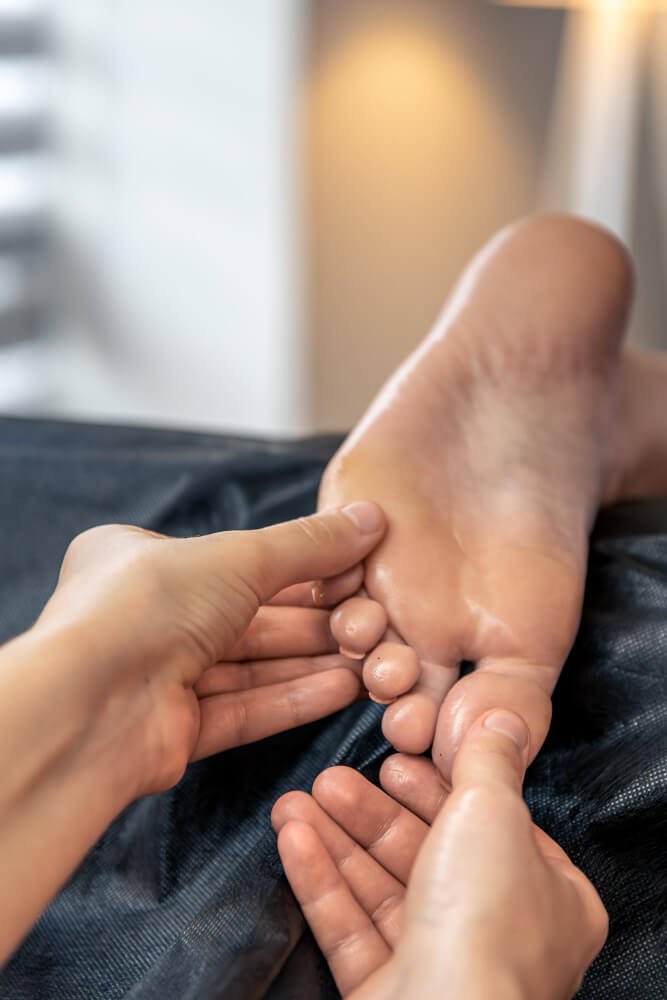
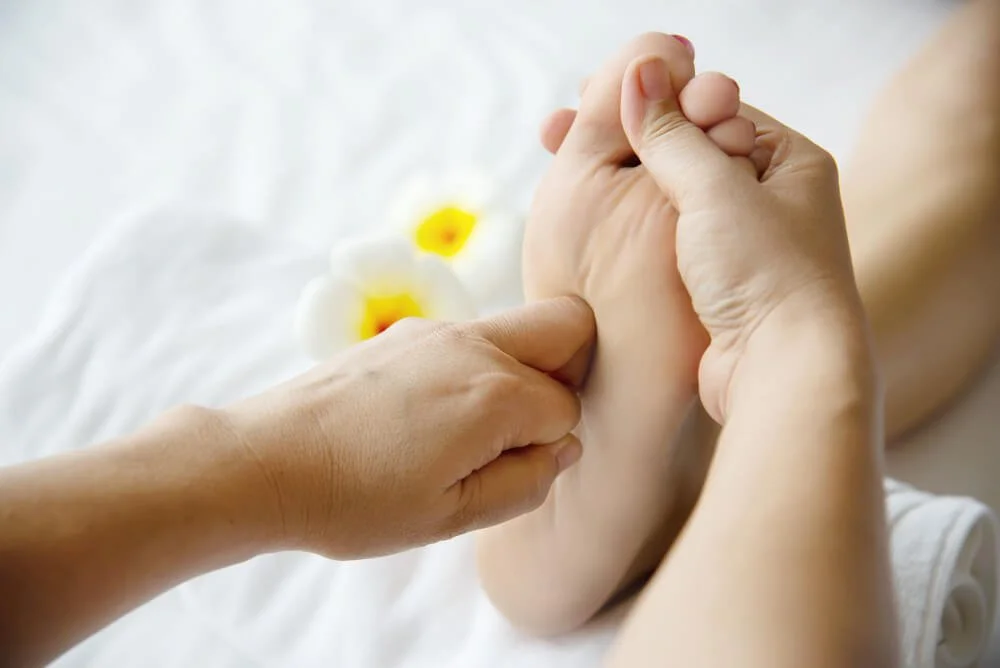
Reflexology is a gentle, non-invasive therapy that works on the feet, hands or face. It is based on the principle that different areas of the body are reflected in specific points. By applying precise pressure to these points, reflexology aims to support the body’s natural ability to restore balance.
It is not a massage, although it can feel deeply relaxing. Reflexology uses specific techniques and sequences rather than general rubbing, and the intention is always to support the whole person, not just a single symptom.
People often come to reflexology because something feels “off”. Stress, poor sleep, hormonal changes, long-term health conditions, or simply the sense that life has become a bit too much. Reflexology creates space for the nervous system to slow down and reset.
✦
✦
✦
✷
The core principles of reflexology
-
The body is interconnected
Each part of the body is linked. Reflexology works on the understanding that supporting one area can influence overall balance and wellbeing.
-
The feet, hands and face reflect the whole body
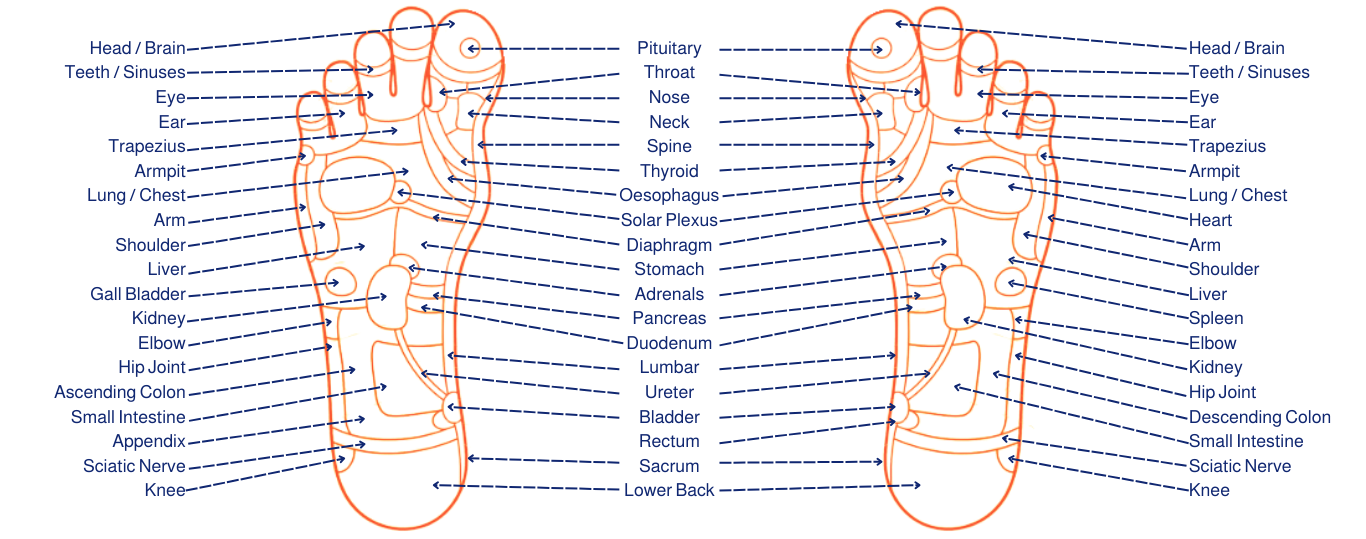
Specific points correspond to different organs and systems. Applying pressure to these points is believed to encourage the body’s own healing responses.
-
Relaxation supports health
When the body is under constant stress, its ability to function well is reduced. Reflexology aims to calm the nervous system, allowing the body to move out of fight-or-flight and into rest and repair.
-
The body seeks balance
Reflexology does not force change. It supports the body’s natural drive towards equilibrium, or homeostasis.
What are the benefits of reflexology?
People experience reflexology in different ways, but commonly reported benefits include:
Feeling calmer and more grounded
Improved sleep
Reduced stress and anxiety
Relief from tension and headaches
Support during hormonal changes such as pregnancy, fertility journeys and menopause
A sense of being listened to and cared for
"Dawn is amazing at Reflexology. She has a lovely calming persona which was reflected in my Garmin watch's body battery as it increased after every treatment. Knowledgeable and informative. Highly recommend."
Julia

✷
✦
A complementary approach, not an alternative
Reflexology sits firmly within complementary healthcare. It does not claim to cure illness or replace medical treatment. Instead, it works alongside conventional medicine, supporting wellbeing, relaxation and quality of life.
In the UK, reflexology is commonly used to help people manage stress, cope with long-term conditions and support emotional wellbeing. Many people choose it as part of a wider self-care or integrative health approach.
✦
✷

Steeped in history
Forms of reflex therapy have existed for thousands of years. Evidence of foot and hand treatments can be traced back to ancient Egypt and China, where pressure-based therapies were used as part of wider healing practices.
Modern reflexology, as it is practised today in the UK, developed in the early 20th century. It was influenced by Dr William Fitzgerald, an American physician who introduced the concept of “zone therapy”. This idea proposed that the body is divided into vertical zones, and that applying pressure within these zones could influence related areas of the body.
Reflexology was later refined and mapped in more detail by Eunice Ingham, a physiotherapist and nurse. She identified specific reflex points on the feet that correspond to organs, glands and systems within the body. Her work forms the foundation of contemporary reflexology training and practice.
Frequently Asked Questions
-
A typical session begins with a short consultation, where you can talk about your health, lifestyle and what you would like support with. You remain fully clothed, removing only shoes and socks.
You will then lie back comfortably while gentle pressure is applied to your feet, hands or face. Many people drift into a deeply relaxed state. Some fall asleep. Others notice sensations such as warmth or tingling. All of this is normal.
After the session, people often describe feeling lighter, calmer or more balanced. You may also feel tired or very relaxed, which is why it is a good idea to drink water and take things gently afterwards.
-
Reflexology is generally considered safe for most people and is widely used across the UK as a complementary therapy. A fully trained reflexologist will always take your health history into account and adapt the session to suit you.
There are times when reflexology may need to be adapted or avoided, such as during certain medical treatments or with specific health conditions. This is why a proper consultation matters.
-
If you are feeling overwhelmed, run-down, stuck in fight-or-flight mode, or simply craving some calm, reflexology can be a supportive place to start.
You do not need to have a specific problem to “fix”. Many people come for regular sessions as part of their self-care, especially during stressful life stages.
If you are unsure, that is completely normal. A good reflexologist will always be happy to talk things through before you book.
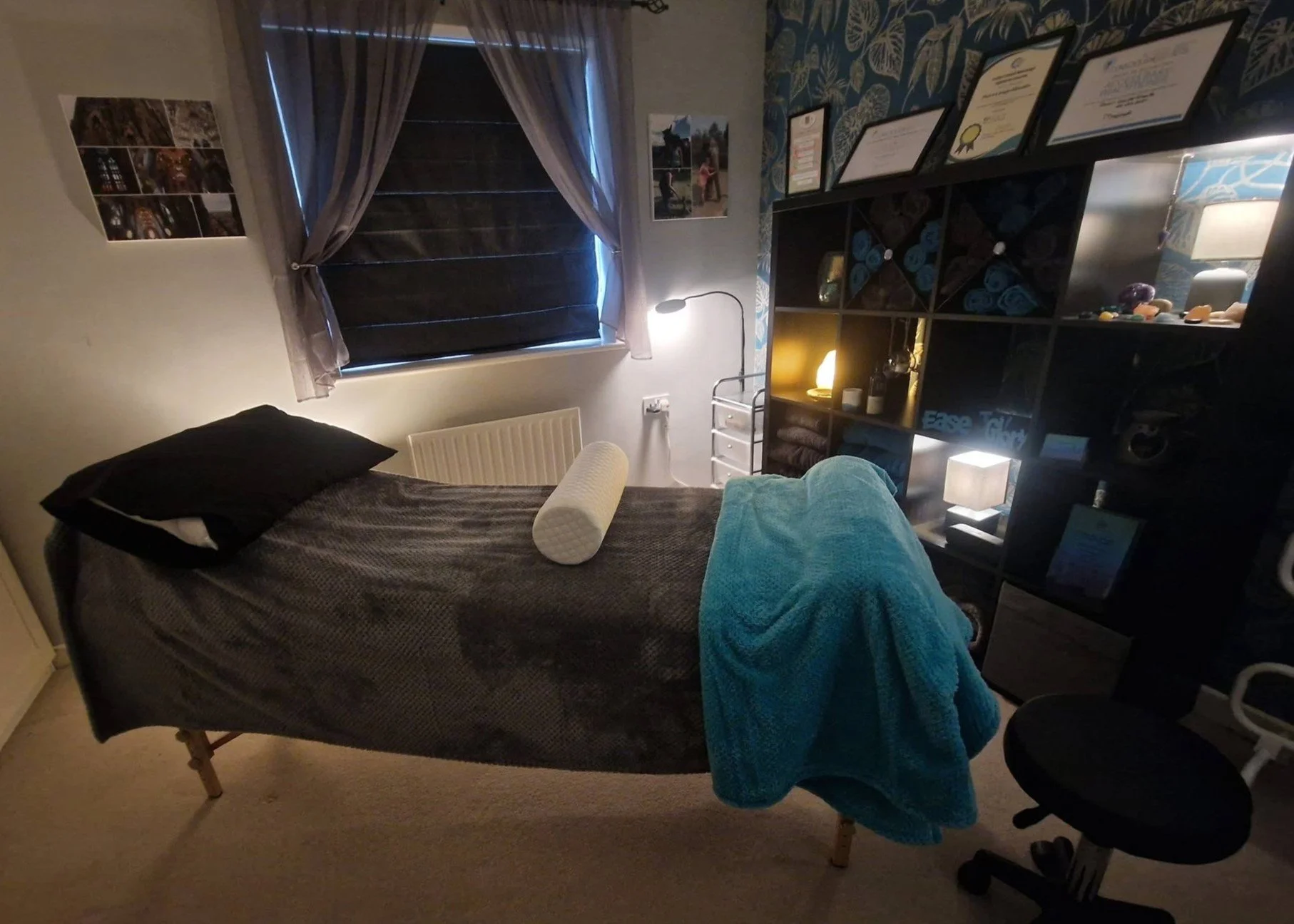
A calming reflexology space in Langwathby, Cumbria
Hidden away in the heart of Langwathby, my tranquil therapy room is a sanctuary designed to help you slow down. With soft ambient lighting, calming décor and a warm, comfortable treatment couch, it's a space where you can switch off from the outside world and enjoy the restorative benefits of reflexology. From the moment you arrive, everything is centred around helping you feel relaxed, nurtured and completely at ease.